Ode To The Goddess of Luo River
Overview
Ode to the Goddess of Luo River is a renowned classical Chinese poem attributed to Cao Zhi, a famed poet and son of the warlord Cao Cao of the Eastern Han Dynasty (25-220). The poem narrates a timeless tale of romance and mystique centered around the enchanting figure of the Luo River Goddess. This legendary goddess, believed to be the daughter of the legendary emperor Fuxi, is said to have become a nymph after her tragic drowning in the Luo River, a tributary of the Yellow River. The poem encapsulates the allure of this divine figure, portraying her with unparalleled elegance and ethereal beauty. Over time, this enchanting narrative has inspired countless adaptations and artistic interpretations across various forms of art, including literature, visual arts, and performance, underscoring its lasting cultural significance in Chinese heritage.
Historical Background
The poem Ode to the Goddess of Luo River originates from the historical context of the Eastern Han Dynasty, a period marked by political upheaval and cultural flowering in ancient China. Cao Zhi, the poet behind this iconic work, was a member of the influential Cao family, which played a pivotal role during the latter part of the Han Dynasty. His father, Cao Cao, was a formidable warlord and political figure, whose influence significantly shaped the era's historical narrative. Amidst the familial and political challenges, Cao Zhi emerged as a gifted literary figure, known for his profound poetic expressions and contributions to the literary landscape of his time. The Ode to the Goddess of Luo River reflects his poetic prowess, capturing the imagination with its vivid imagery and emotional depth. The poem's enduring appeal lies in its ability to transcend the immediate historical context, offering a timeless exploration of love, beauty, and mythology.
Artistic Interpretations
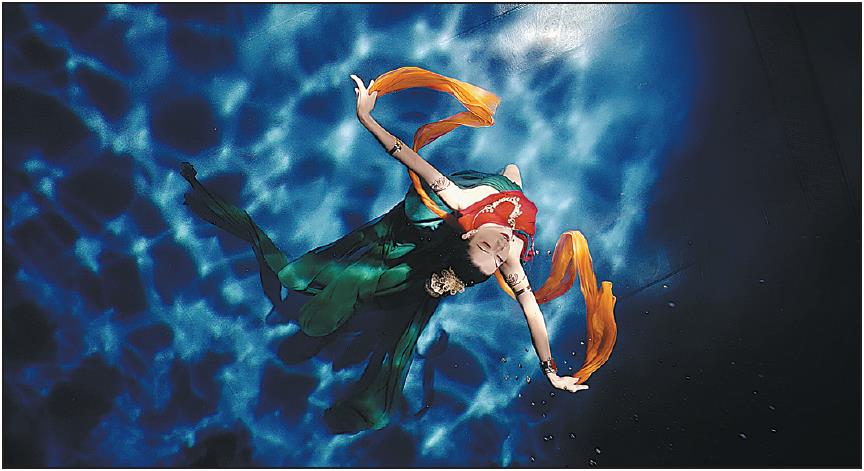
The captivating story of the Goddess of the Luo River has continuously inspired artists across generations to reinterpret and visualize its narrative through diverse mediums. In contemporary times, this mythological tale has been adapted into films, dance dramas, and musical compositions, each bringing a unique perspective to the age-old narrative. Among the notable modern interpretations is the video performance shared by Henan TV Station, titled Rhapsody on the Luo River Goddess, which gained widespread acclaim for its innovative underwater filming technique. Featuring the performer He Haohao as the goddess, the video merges traditional Chinese dance with underwater cinematography, crafting a mesmerizing visual experience that highlights the goddess's elegance and strength. This performance not only celebrates the beauty of the original tale but also introduces it to contemporary audiences in a novel and engaging manner, thus reinforcing the narrative's artistic and cultural resonance.
The Palace Museum Initiative
In a dynamic effort to revive and celebrate the essence of traditional Chinese culture, the Palace Museum in Beijing has initiated a collaborative project titled If Ancient Paintings Could Sing. Organized in conjunction with QQ Music and NEXT IDEA, a music competition hosted by Tencent, this initiative aims to breathe new life into classical Chinese artworks by integrating them with modern artistic expressions. The museum granted the use of several master paintings, including An Ode to the Goddess of Luo River, encouraging artists and performers to draw inspiration from these cultural treasures. By blending ancient art with contemporary music and performance, the initiative seeks to foster a deeper appreciation of Chinese heritage among new generations, creating opportunities for cultural rediscovery and innovation. This endeavor highlights the importance of cultural preservation and the limitless potential of creative interpretations in keeping traditional narratives vibrant and relevant. Photo Gallery(1 picture)CategoriesLiteratureTagChinese Classical LiteratureChinese PoetryCatalogue1. Overview2. Historical Background3. Artistic Interpretations4. The Palace Museum Initiative- - - []








